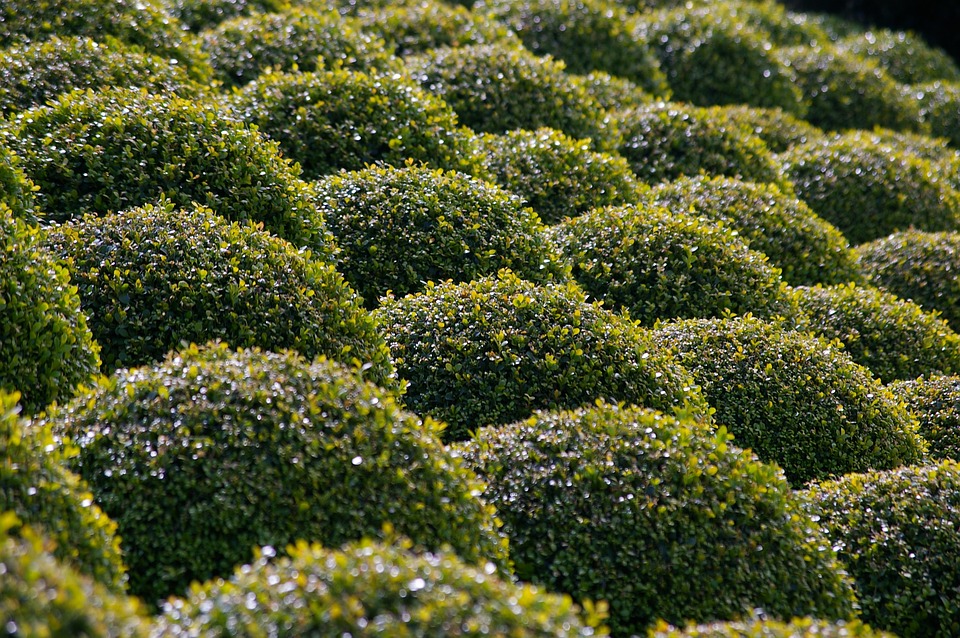
Boxwood can give a garden a steady green shape through the year, whether you use one shrub as a focal point or several to define an edge. Choose the variety by its mature size before planting. Some boxwoods grow large over time; smaller selections are easier to place in a modest bed without relying on constant clipping to hold them back.
Give the shrub a job
Boxwood’s small leaves make a quiet background for plants with larger foliage or seasonal flowers. A low row can mark the edge of a bed, while an individual plant can hold the view when nearby perennials die back. You do not need an estate-sized hedge to use it. If you are still weighing how much room to give shrubs, Find a Way to Grow More Shrubs offers some perspective.
The older article notes the history of boxwood in formal gardens and the density of its wood, which has been used in objects including musical instruments. Those are interesting parts of its story, but they do not tell you which plant to buy. Look up the mature dimensions and growth habit of the particular selection offered at the nursery.
Check sun, shelter and soil
Boxwood can grow in sun or partial shade, but exposure matters. In a hot location, some afternoon shade may reduce stress. A site exposed to cold, drying winter winds can leave foliage discolored, so think about shelter as well. The soil should drain well; roots sitting in persistently wet ground are a poor start for an evergreen shrub. Our soil basics article can help you assess the bed before planting.
Trim for shape, then keep watch
Fresh growth may give a boxwood a shaggy outline by early summer. If a tidy shape is important to you, light trimming after the new growth begins to firm up is one option. Leave enough foliage for the plant to stay healthy and avoid treating a hard annual cut as obligatory. The best timing depends on your climate and the condition of the shrub.
Watch for browned leaves or thinning rather than assuming every change is winter wind damage. Stress, pests and disease can also affect boxwood, and the cause changes what you should do next. For a broader look at placing evergreens among other plants, read Evergreens Trees and Shrubs.