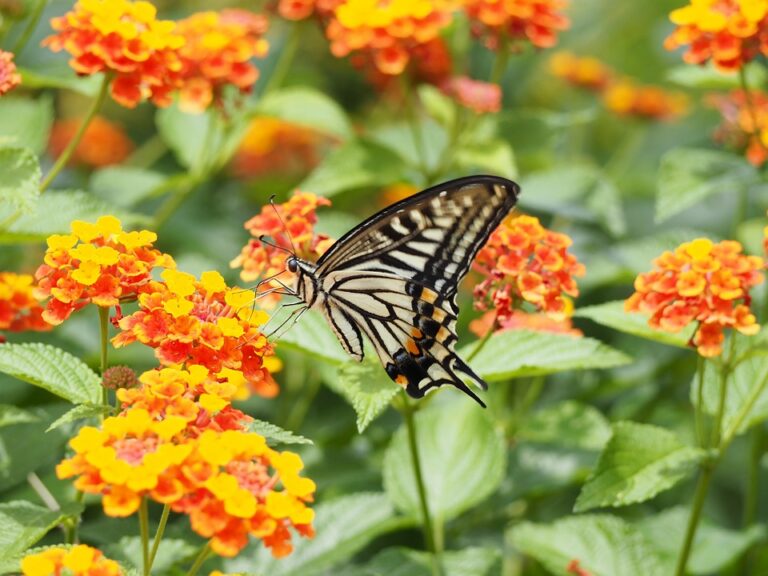
To make a garden more useful to pollinators, keep something suitable in bloom across the growing season and be careful with pesticides. Sit still among the plants for a while and you may notice bees, butterflies, moths or hummingbirds visiting. What appears depends on the flowers, the season and the wildlife already around your garden.
What should you plant for visitors through the season?
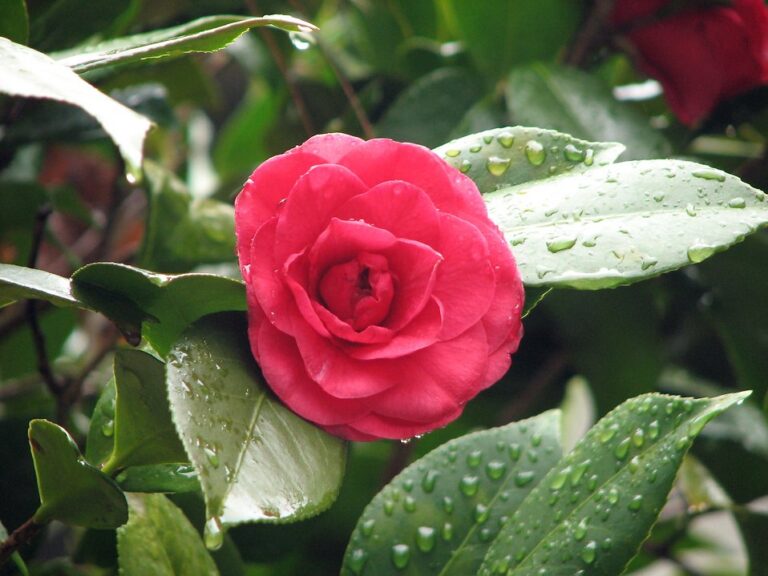
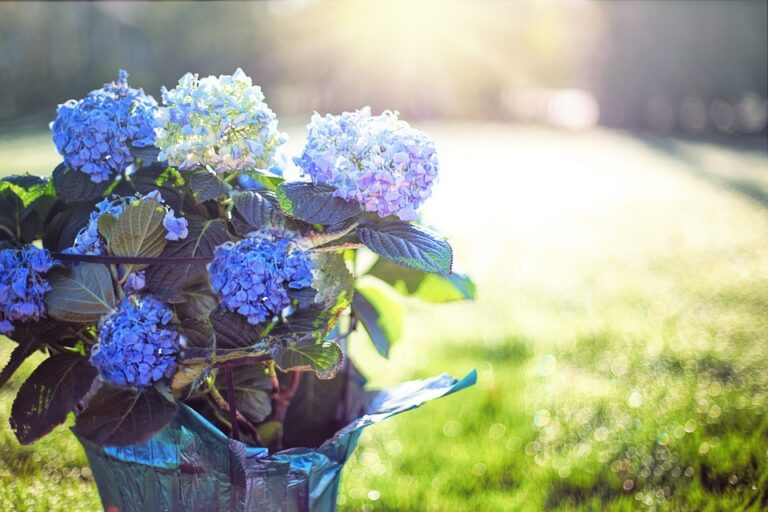
Plant a variety of flower shapes and colors in groups, with some blooming early and others later. That is a better starting point than buying everything that looks good on a single garden-center visit: if all the plants flower together, there may be a long gap afterward. Include flowering shrubs and trees as well as perennials where there is room. Our native plants guide mentions black-eyed Susan, coreopsis, wild columbine and liatris among the plants to consider for appropriate sites. Check the light and soil each one needs before choosing it.
Pollinators include many kinds of insects as well as some birds and bats; not every visitor serves every plant in the same way. Many plants rely on animals to move pollen, while others pollinate in different ways. What matters in your own garden is offering flowers that the local visitors can use at different times of year.
How do you avoid harming the insects you invite?
Accept a little plant damage before reaching for a pesticide. A diverse planting can also give other garden creatures shelter and food; Wildlife in the Garden has ideas for cover and water as well as plants. If a problem needs treatment, first identify it and choose a targeted approach. Follow the product label and avoid spraying open blooms or drifting onto other plants. Spraying in the evening is not a guarantee of safety: moths and other pollinators can be active then too. Use a product only where it is needed and according to its directions.
What else makes the space welcoming?
Leave room for a few plants to grow and flower rather than packing a bed so tightly that every stem needs trimming. Watch which flowers draw visitors before adding more of the same. Quiet time spent observing is a good way to see what your garden already supports. Nature’s Friends Landscaping can help plan a mix of plants that suits the conditions on your property.