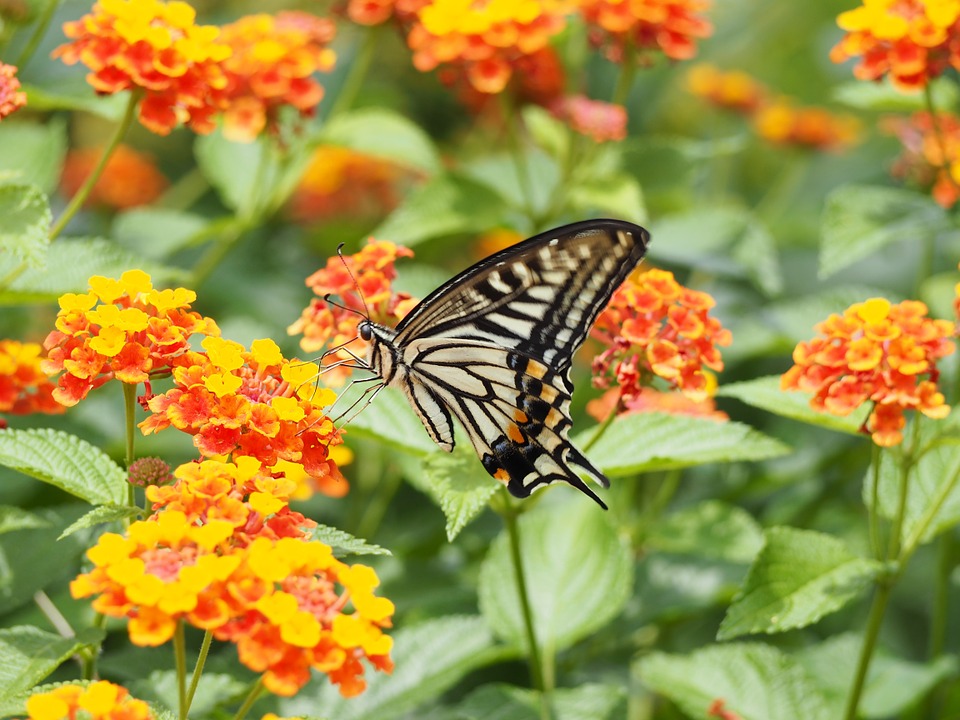
Lantana is a useful choice for color in a sunny summer bed or container. Its clusters of small flowers appear as the weather warms and can continue into fall while conditions suit it. Choose a plant for the space you have: some selections stay comparatively compact, while others spread or become much larger. Flower colors vary, so look at the actual variety rather than buying on the name alone.
Give it sun and a place to drain
Lantana prefers a bright site and soil that does not stay waterlogged. A plant in a pot also needs drainage, and containers can dry out faster than garden soil in hot weather. Water new plants as they settle in. Once established, plants in the ground may cope with dry spells better than they did at planting, but do not treat the original post’s weekly soaking as a fixed schedule: check the soil and the weather first.
The article suggests avoiding heavy feeding because too much fertilizer can favor leafy growth over flowers. That is a sound reason to resist fertilizing on autopilot. If nearby plants are being fed, there is no need to assume a small incidental amount will ruin the lantana, either. For more on keeping summer pots watered and placed well, see Container Basics.
What happens as the flowers fade?
Removing spent flower clusters can keep the plant tidy and may encourage further bloom, depending on the selection. If a lantana becomes too large, trim it to suit its growth rather than applying the same one-third cut to every plant. In warmer climates some lantanas may return as perennials; where winter is colder they are often grown as annuals. Check local guidance before counting on a plant to come back.
Flowers can attract butterflies and other pollinators. The original article also notes that berries may attract birds, but berries should not be treated as harmless around children or pets. Some lantanas can spread outside cultivation, so check local advice before planting a vigorous kind. If the aim is a longer season of garden interest, Pick the Best Annuals offers another starting point. Let the sun exposure, available room and your willingness to water guide the choice.