Choose a hydrangea for the light and space you actually have, then check the needs of that variety. Many enjoy moist, well-drained soil and relief from strong afternoon sun, though they still need enough light to flower. A large mophead wilting in a hot spot is a different garden problem from a shrub that has simply run out of room.
Which kind fits your garden?
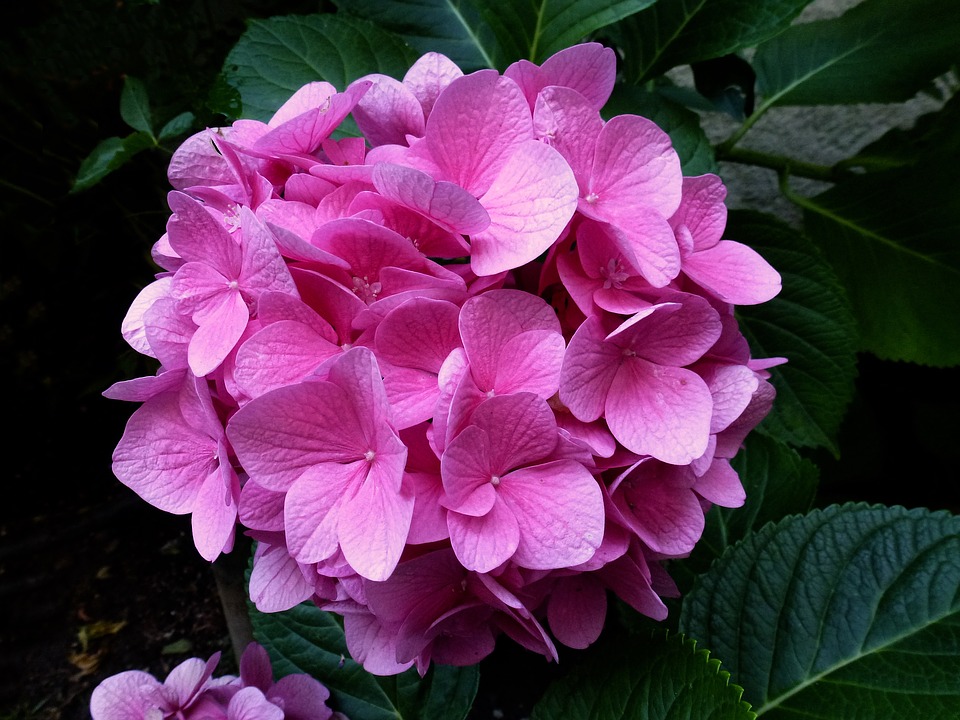
The familiar mopheads and flatter-flowered lacecaps belong to Hydrangea macrophylla. Their rounded or open flower heads bring color to a bed, and they are often the first kind a gardener has in mind. Oakleaf hydrangeas (H. quercifolia) have distinctive lobed leaves and usually white, cone-shaped blooms. Smooth hydrangeas (H. arborescens) include Annabelle, known for its large flower heads. Panicle hydrangeas (H. paniculata) include Peegee and Limelight, with cone-shaped blooms. There are different sizes within these groups; do not choose by the picture of the flower alone.
Take a look at the space from the path or window where you will enjoy the plant. Is there room for it when it matures? Can you reach it to water while it settles in? Nature’s Friends Landscaping can help compare varieties against an existing bed rather than asking you to squeeze a shrub into the first open patch. If that bed is shady, our shade garden ideas offer other plants to consider alongside it.
How much sun and water does it need?
Rich, moist soil with protection from strong afternoon sun is a good starting point for many hydrangeas, especially mopheads, but not a rule for every variety. Check the label and watch how the proposed spot behaves through the day. A plant that droops in heat may need more moisture or a gentler location; watering needs also change while its roots establish. Soil that holds some moisture but drains is different from a bed where water stands. Our soil basics explain why the ground itself matters as much as the plant choice.
Will changing the soil change the flowers?
Some mophead and lacecap cultivars can produce bluer flowers where aluminum is available in acidic soil and pinker flowers under different soil conditions. That does not apply to every hydrangea, and changing pH will not turn a white-flowered panicle or smooth hydrangea blue. Enjoy the color you have unless you know the variety responds and understand your soil. Smaller varieties can also be grown in pots, provided the container has drainage and you can keep up with watering; our container basics are a useful place to begin.