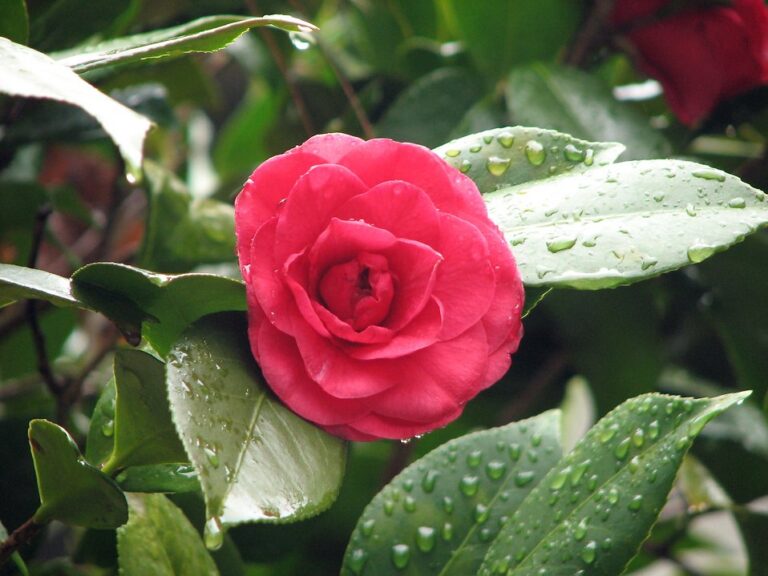
Knock Out roses can be a good choice if you want a flowering shrub in a sunny spot without the intensive care some roses demand. They were introduced in 2000 and have become popular for their repeat bloom and relative disease resistance. They still need a suitable place, water while establishing and attention when something goes wrong.
Give the shrub a place to grow
These roses have a shrubby habit and dark green foliage. Choose a sunny position and give the plant room to spread; do not treat the size on a label as a promise that every rose will stop there. The original garden note observed that a plant labeled about four feet by four feet might grow larger, sometimes near six feet, depending on conditions. Use the label for the particular variety as your starting point and leave room for its mature form.
Start with suitable soil and regular watering as the rose settles in. It may need feeding according to the condition of your soil and the plant. Disease resistance is helpful, but it does not mean a rose cannot develop a problem. Check the leaves and growth as you would with any garden shrub. If you are weighing other shrubs for the same space, thinking through shrub placement may help.
Do you have to remove spent flowers?
Knock Out roses can keep flowering without deadheading. Removing faded blooms is optional if you want a tidier look and may encourage more flowers. If you choose to do it, cut the spent bloom back to a point above healthy leafy growth rather than snipping only the petals. There is no need to turn it into a daily chore.
For a broader view of where flowering shrubs fit among other plants, see taking a fresh look at your landscape before adding another rose. A plant that has space and sun is much easier to live with than one crowded into the wrong bed.
When should you prune?
The original advice uses the opening of forsythia blooms in early spring as a seasonal cue for more substantial pruning. Timing can vary with the weather. Let a newly planted rose grow for a couple of seasons before considering hard pruning, and check the needs of your particular plant rather than cutting every shrub the same way.
Nature’s Friends Landscaping can help you select and place a variety or plan pruning when it is due. If the site is still a blank bed, begin with the soil beneath the planting before deciding which rose to buy.