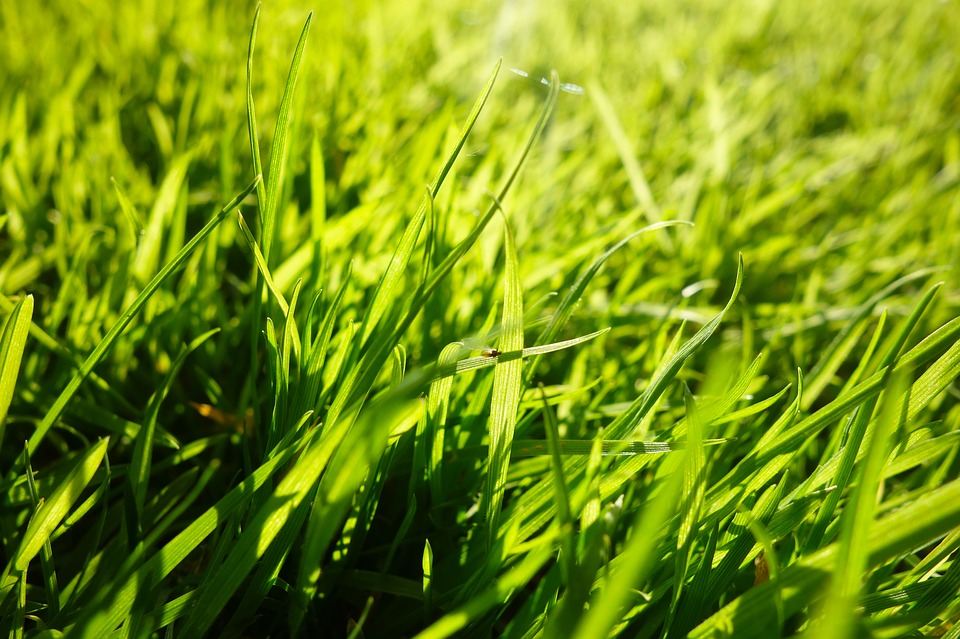
Choose an ornamental grass by the space it will occupy at full size, then think about what it looks like through winter. A compact grass can sit among perennials; a broad clump needs enough room that it won’t swallow its neighbors. The earlier post also liked grasses for the way their plumes catch backlight and their stems move in the wind. Those are good reasons to place one where you will actually see it.
Give the clump its grown-up space
The original article ranged from small grasses tucked among annuals to giant pampas grasses used for a boundary. That range is real, but there isn’t a grass for every site. Check the mature width as well as the height on the plant label and ask whether a spreading variety is appropriate where you live. Pampas grass in particular can be invasive in some areas and too large for a small residential bed. A smaller clumping choice may give you the same movement without crowding the path.
Colors and variegated leaves can make one grass stand on its own. In a mixed bed, repeat a modest clump where you want the planting to feel connected, leaving space for the flowers around it. Our earlier article on using grasses for structure looks more closely at their shapes in a design.
Leave the stems until you’re ready for new growth
Many deciduous ornamental grasses can stand through winter and be cut back before fresh spring growth begins. Their seed heads may feed birds, and the old stems still give the bed height when little else is growing. Check the species before cutting: evergreen or cool-season grasses may call for a light tidy rather than the hard cut given to a dormant deciduous clump. If a grass self-seeds where you don’t want seedlings, remove the seed heads before they scatter.
The original post called grasses drought tolerant once established. Some are, but a newly planted grass still needs water while its roots spread, and mature needs differ by species and soil. Pick for the conditions you actually have instead of relying on the label “low maintenance.” A bed that stays wet and a dry, exposed slope will not suit the same plant.
Place a grass where late-day light can pass through its plumes, if that view works with the rest of the garden. Leave a little room from a busy walkway if its leaves are stiff or sharp. If you’re also thinking about plants that make a garden more inviting to birds, see wildlife in the garden.