Use fall to look closely at your lawn before deciding what work it needs. Thin areas may benefit from seeding, and heavily traveled ground may need aeration. Do not assume every lawn needs dethatching or the same fertilizer treatment each year. The right choices depend on the grass, the soil and what you see underfoot.
Check for compaction and thatch first
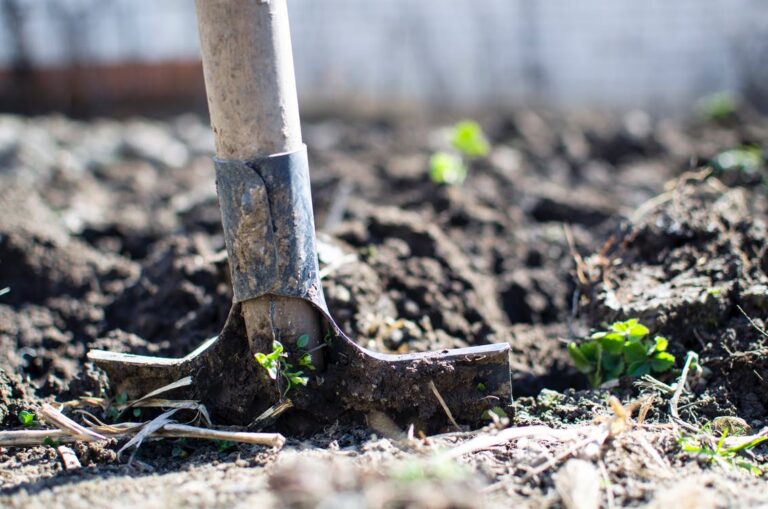
After a summer of mowing and foot traffic, some patches can feel firm and look thin. Aeration opens small holes in compacted ground so air and water can reach the soil beneath the grass. It is a useful job where compaction is actually a problem; it is not a requirement for every lawn. You can rent equipment, or ask Nature’s Friends Landscaping to assess the area and do the work. Our aeration and seeding service explains the work in more detail.
Thatch is the layer of old grass material near the soil surface. A heavy buildup can interfere with the lawn, but some thatch is normal. Before reaching for a power rake, check whether there is enough buildup to justify removing it. Aggressive dethatching when it is not needed can disturb healthy grass. Revisit the decision each fall rather than putting power raking on the calendar every year.
Feed and seed for the lawn you have
Fall’s milder weather and still-warm soil can give many lawns a chance to recover from summer. Fertilizer may support root growth, but the amount and timing should suit the kind of grass and the condition of the soil. If you do not know what the ground needs, a soil test is more useful than guessing. Our soil basics article explains why the ground beneath the plants deserves attention.
Once you have dealt with any compaction or excessive thatch, seed bare patches. If thin grass covers much of the yard, overseeding may make more sense than treating one patch at a time. New seed needs reliable moisture while it establishes. If rain is not keeping up, water lightly and regularly rather than letting the seed dry out. Grass type and local weather affect when to seed, so check the timing before you start.
Give the new growth a fair chance
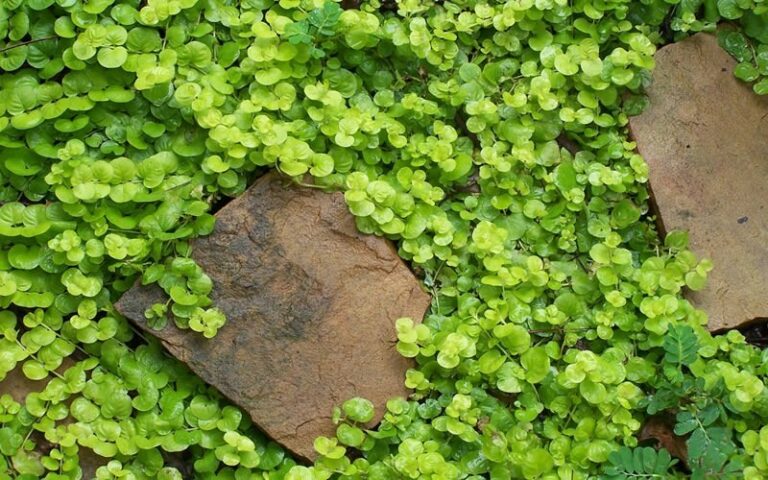
Fall maintenance is a series of decisions, not a guarantee of a perfect green lawn next spring. Make a note of where people walk, where the ground stays wet and where grass repeatedly fails. Those spots may need a change in use or planting rather than another bag of seed. Our guide to ground covers as lawn alternatives offers ideas for areas that struggle as turf.