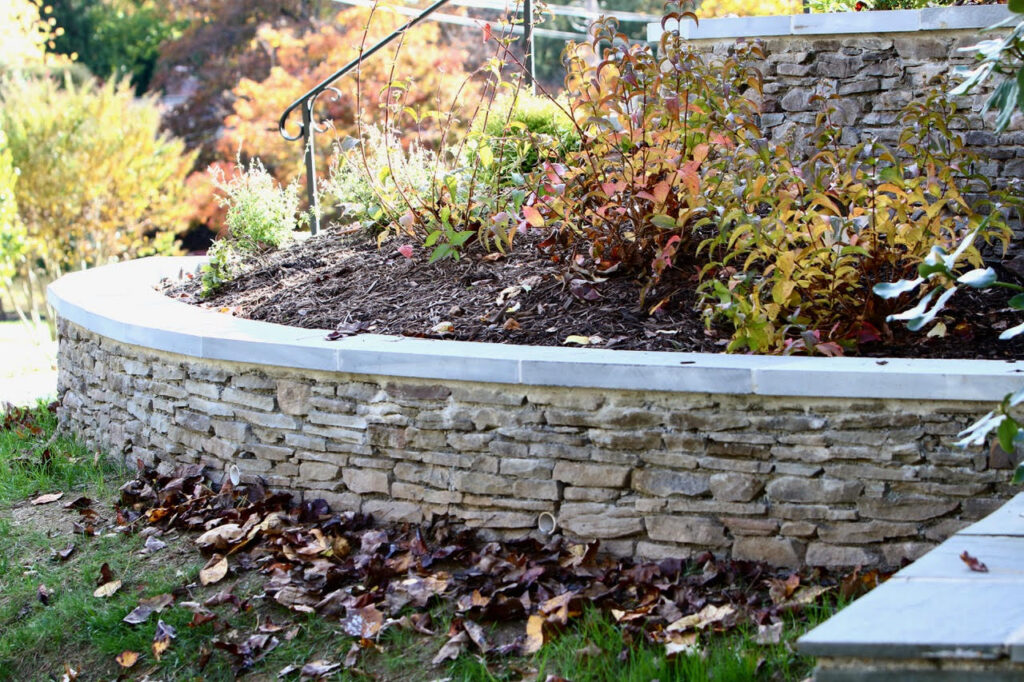
Plan a pathway, raised bed, or patio before the garden fills in for the growing season. Early spring and late fall are useful windows for hardscape work: perennials are less likely to be in the way, and you can see the shape of the beds you are working around. The point is to make room for the construction without treating the rest of the garden as a worksite.
Choose the work window around your plants
Walk the area first and mark the plants you want to keep. A perennial bed may look empty while the plants are dormant, but roots and crowns are still there. Keep trips through the beds to a minimum so the soil does not get packed down. Think through where materials will be delivered and where people will move them before the first stone or board arrives.
If the project cannot wait until a dormant season, the plan matters even more. Work around existing plantings rather than assuming you can put a path wherever there is a temporary gap in the foliage. The same holds for a raised bed: decide what needs to stay before you settle on its edges. For a related way to think about those edges, see our post on softening hardscape with planting.
Plan the ground beneath the finished surface
A new patio or path is more than its visible surface. These projects take a plan and often involve heavy materials, which is one reason to get help if moving and placing them is beyond what you can comfortably manage. Before choosing the finishing touches, look at how rainwater moves through the spot. If water already collects there, building over it without addressing drainage can leave the new space and its neighboring plants with the same problem.
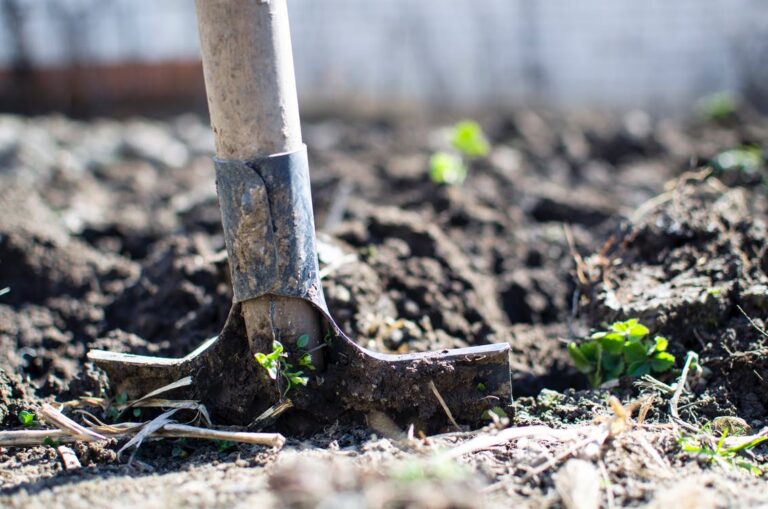
Construction can also disturb the soil around planting areas. Check what has been compacted or moved, then restore suitable soil where you intend to plant. Our soil basics guide explains why drainage and soil texture matter when plants go back in.
Leave room for the planting that follows
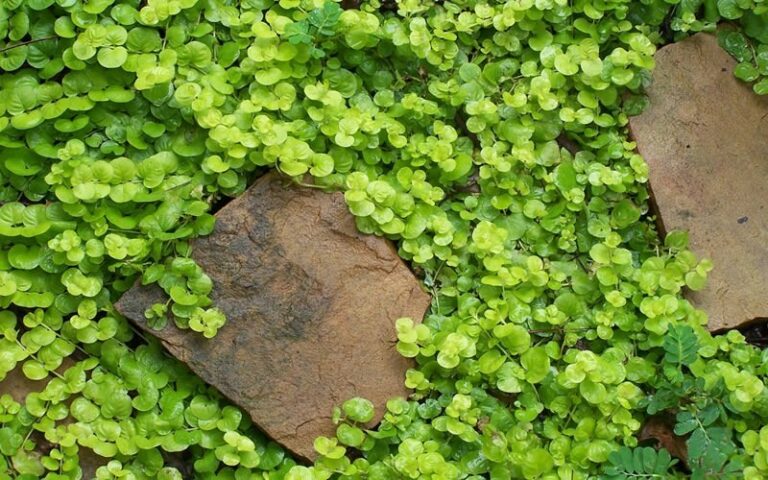
Once the hard surfaces have a place, decide whether you want plants to soften a wall or spill beside a path. Give them appropriate soil and room to grow instead of squeezing them into whatever strip is left. That decision belongs in the initial layout, not at the end when the materials are already in place.
Nature’s Friends Landscaping can look at a proposed project with the existing plants and drainage in mind. If you are deciding how to tackle a larger job, our hardscaping services page describes the work we offer.