If a favorite shrub has a young branch that bends down to the soil, you may be able to grow another plant by layering it. Keep the branch attached while it roots, then separate the new plant only after it has formed enough roots to support itself. This takes patience, but you do not need to manage a detached cutting while it gets started.
Photo Credit: guilfordgardencenter.com
Choose a flexible branch
Look for a low, pliable branch on a healthy plant. Viburnum, forsythia, rhododendron, climbing rose and clematis vine are possible candidates. They will not all respond in exactly the same way, and a stiff branch that will not reach the ground is a poor choice for simple layering. If you are deciding what kind of shrub to grow in the first place, our viburnum article describes one option.
Test the branch’s reach before you disturb the soil. You want a section that can sit a little below ground while the tip remains above it. A branch growing on the edge of a shrub is often easier to work with than one buried in the middle. Do not force a woody stem until it breaks; choose a more flexible one or try a different method.
Bury the middle, leave the tip free
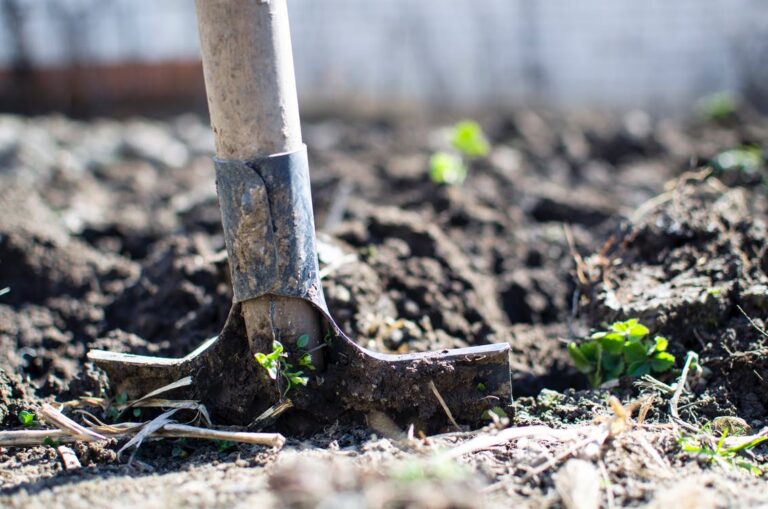
Loosen the soil where the branch will touch it and mix in some compost. Make a small, shallow wound on the part of the branch you plan to bury, taking care not to cut through it. Set that section about two to three inches into the prepared soil and hold it in place with a landscape staple or another suitable anchor. The bend may resemble a loose S, with the buried section low and the tip pointing up.
Stake the exposed tip if it needs help staying upright. A visible marker can also keep you from stepping on the new planting. Add a little mulch over the disturbed soil and water enough to keep the area moist, not soggy. For more on using mulch around plants, see mulch basics.
Wait for roots before cutting it loose
Check gently after a couple of months, but do not treat that as a fixed deadline. Rooting time will depend on the plant and the conditions. When roots have formed well enough to support the new plant, cut its connection to the parent and move it into a container or another part of the garden. If there is little root growth, leave it attached longer and keep tending the soil.
Layering is a way to make use of a shrub you already enjoy, though not every attempt will take. If you would rather add established plants, Nature’s Friends Landscaping can help select and plant them. Our native plants article is another place to start thinking about shrub choices for your yard.